

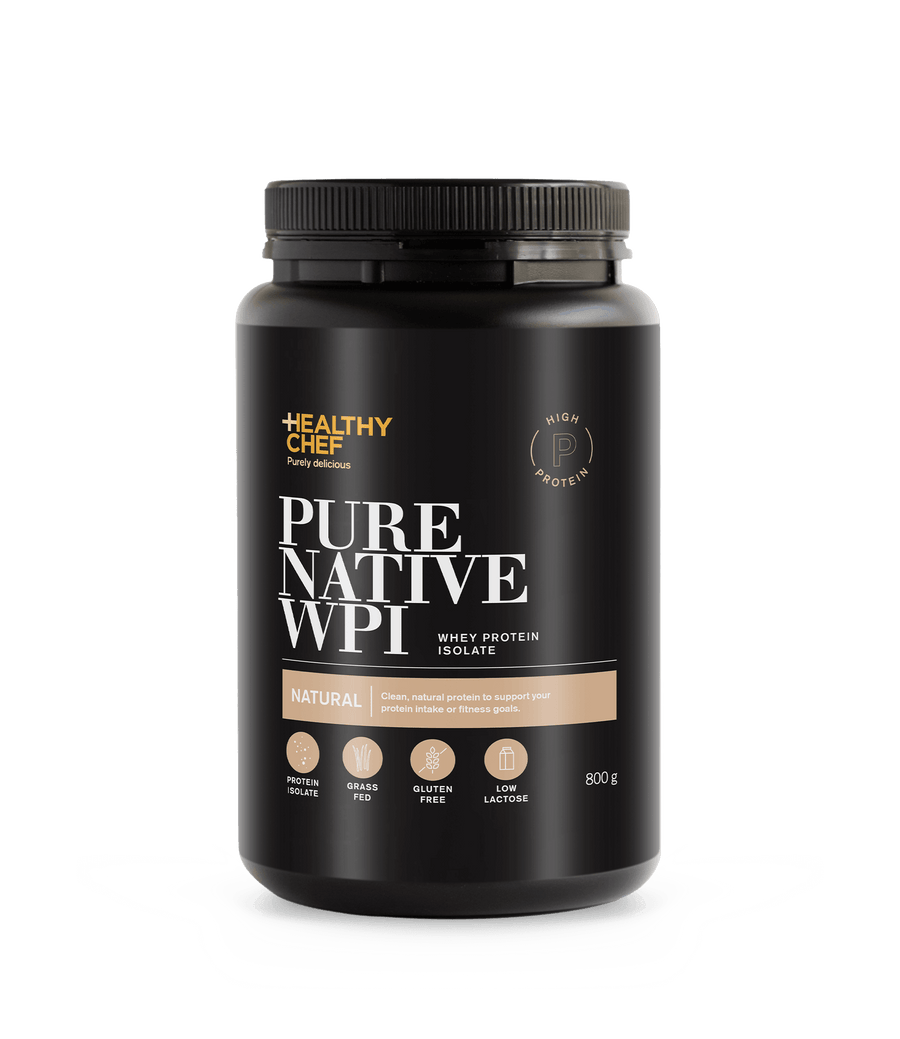
Whey Protein Isolate Natural - 800g
$ 99.95 AUD


GLP-1 (glucagon-like peptide-1) is a natural hormone your gut releases after you eat. It helps you feel full and supports steady blood sugar. “GLP-1 support” can mean two things: supporting your body's own GLP-1 through the way you eat and live, or a prescription GLP-1 medication.
This guide is about the food and lifestyle side. It isn't medical advice, and it won't replace a medication your doctor has prescribed.
GLP-1 is part of how your body manages hunger, fullness and blood sugar. Supporting it through everyday eating and movement can help you feel more settled between meals.
Steadier appetite & fullness
GLP-1 helps signal when you've had enough, so meals built to support it tend to leave you satisfied for longer.
Balanced blood sugar
GLP-1 supports insulin release after eating, helping keep blood sugar steady rather than spiking and dipping.
Fewer energy dips & cravings
Steadier blood sugar and lasting fullness often mean fewer afternoon slumps and less snacking on autopilot

A few whole-food groups do the heavy lifting. Build meals around these and the rest takes care of itself.
Protein
Eggs, fish, legumes, dairy and quality protein powder, among the strongest triggers for satiety.
Fibre
Vegetables, whole grains, legumes and fruit feed the gut bacteria linked to a healthy GLP-1 response.
Healthy fats
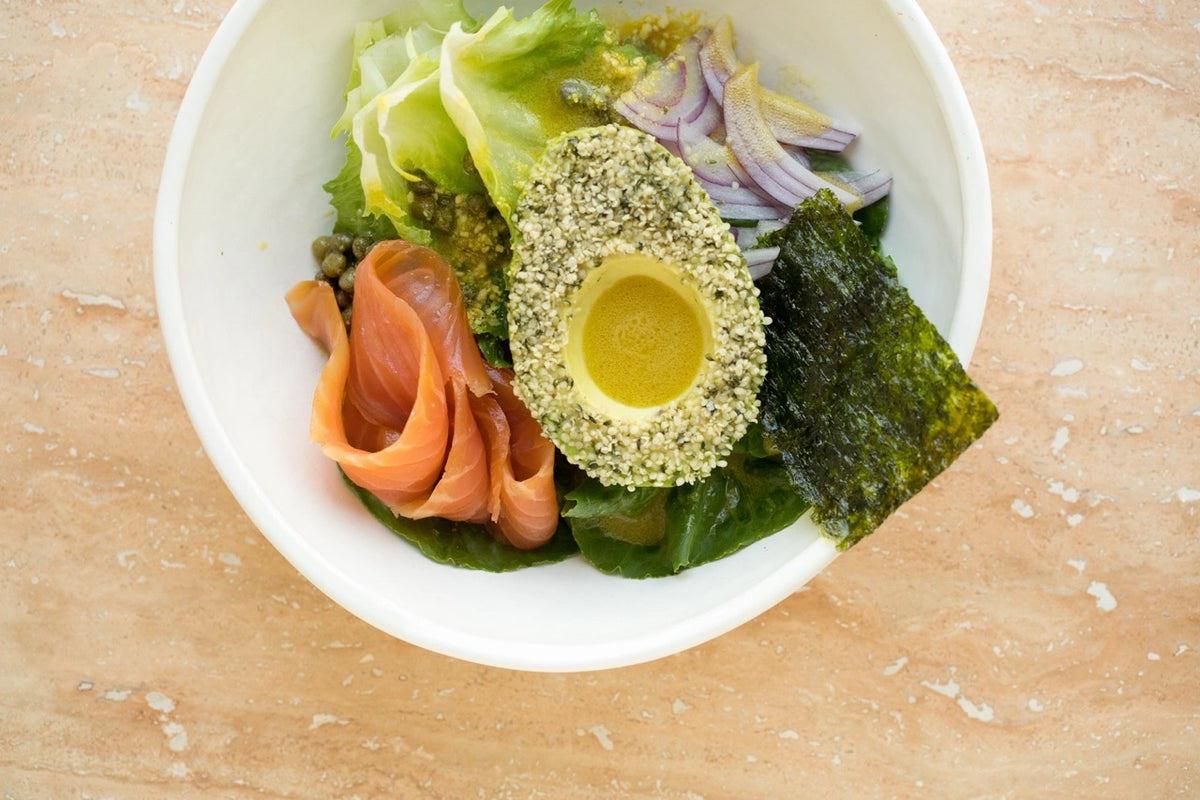
Olive oil, nuts and avocado support satiety and help slow digestion after a meal.
Fermented foods
Yoghurt, kefir and sauerkraut support gut health, which is closely tied to appetite signalling.
Protein needs are based on your body weight and activity level. Select your weight range below for a general daily estimate. Figures use the Australian Nutrient Reference Values (0.84–1.2 g/kg for most healthy adults).
Select your weight range above
The higher end of each range applies if you train regularly, do strength or endurance work, or are over 65. A serve of protein is roughly 20 g.
*General information only, based on the Australian Nutrient Reference Values (NHMRC). Not personal dietary advice. Individual needs vary with health, pregnancy, kidney function and training goals, check with your GP or an Accredited Practising Dietitian.
Food is the biggest lever, but not the only one. A few everyday habits support how well your body regulates appetite and blood sugar.
Regular movement
Both aerobic activity (walking, cycling) and resistance training are linked to a healthier GLP-1 and blood-sugar response. A mix across the week works best.
Quality sleep
Short or broken sleep can disrupt the hormones that regulate appetite. Consistent, good sleep helps keep those signals working well.
A regular meal routine
Eating at relaxed, regular times, rather than skipping meals then overeating, supports steadier appetite signalling through the day.

Soft Shell Fish Tacos
The protein from the fish fills you up and nourishes the body in every way.
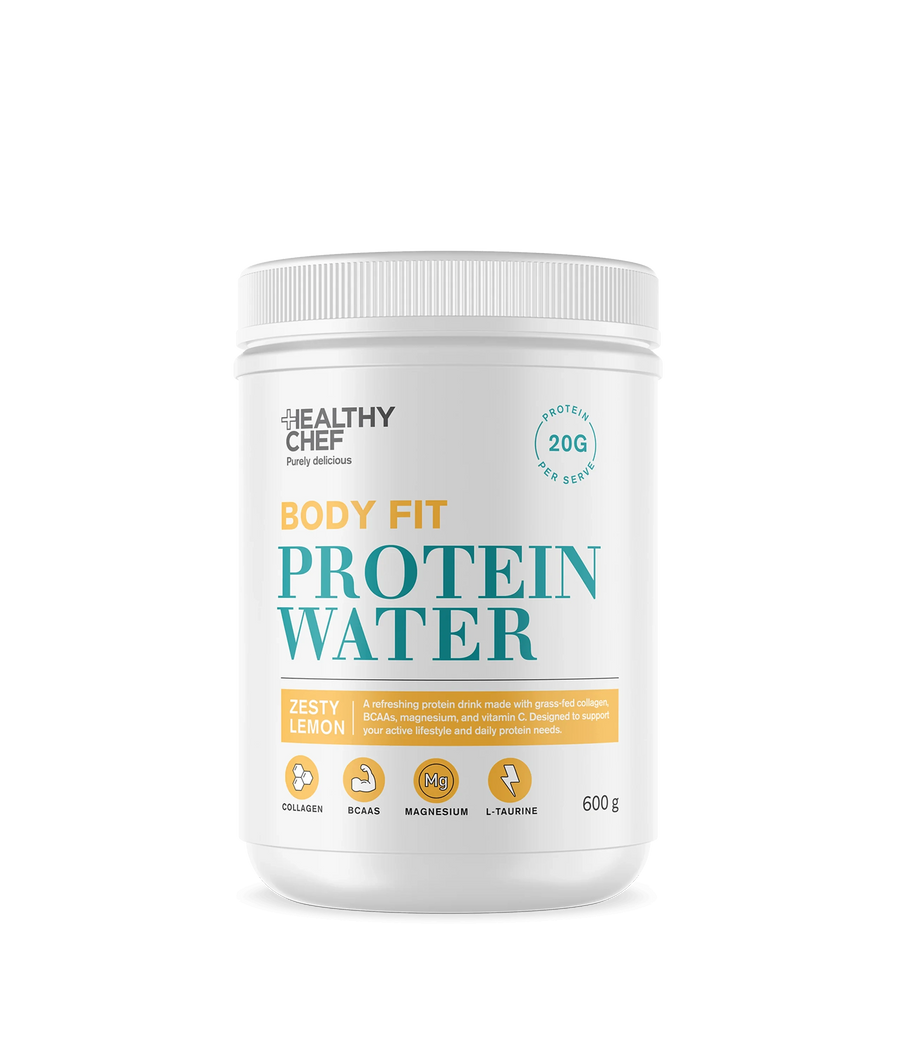
When you're focused on protein and fibre or eating well on days your appetite is up and down, a few quality staples help.

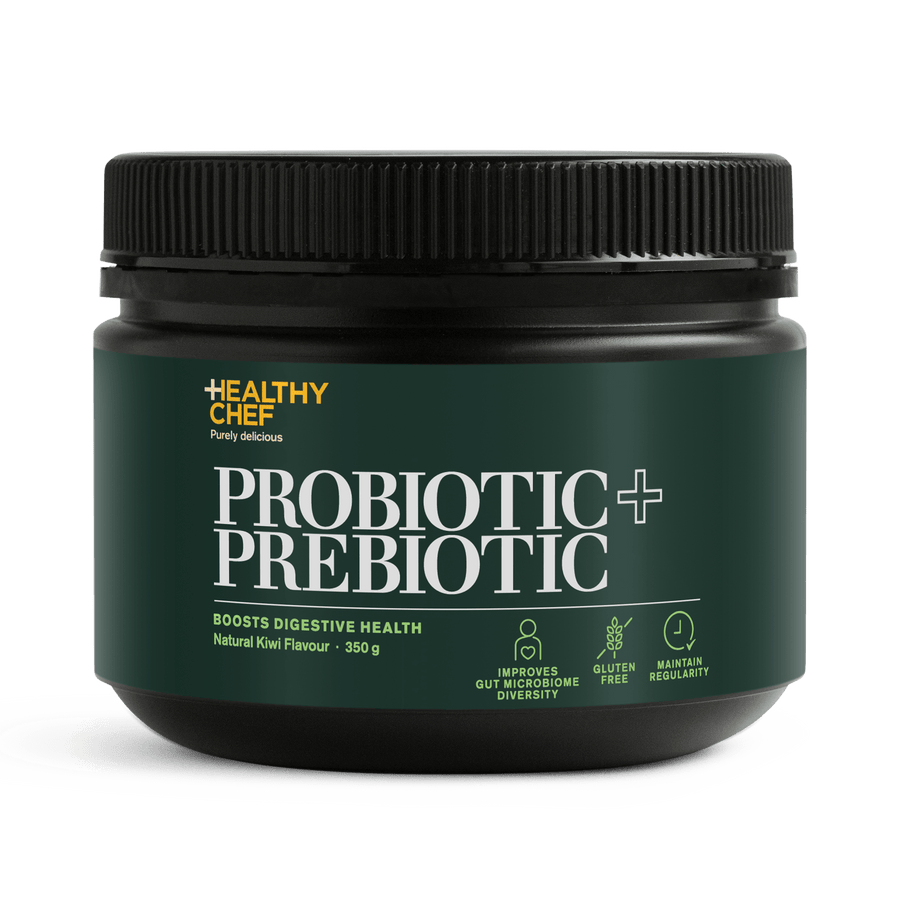
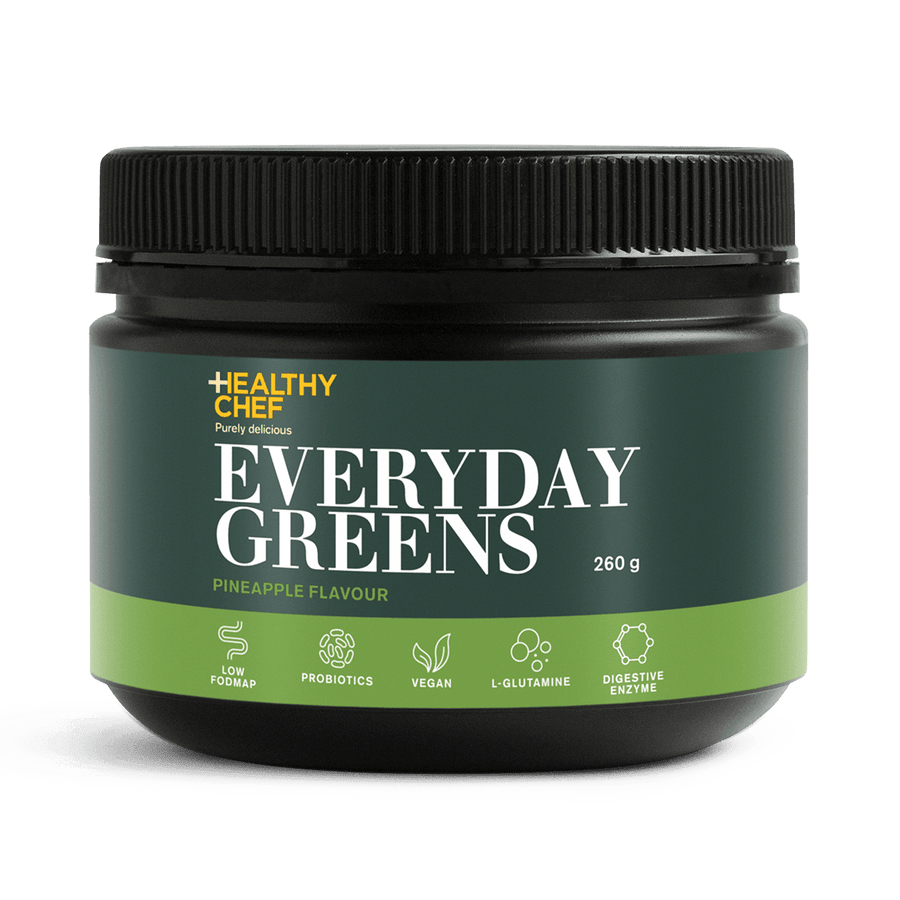
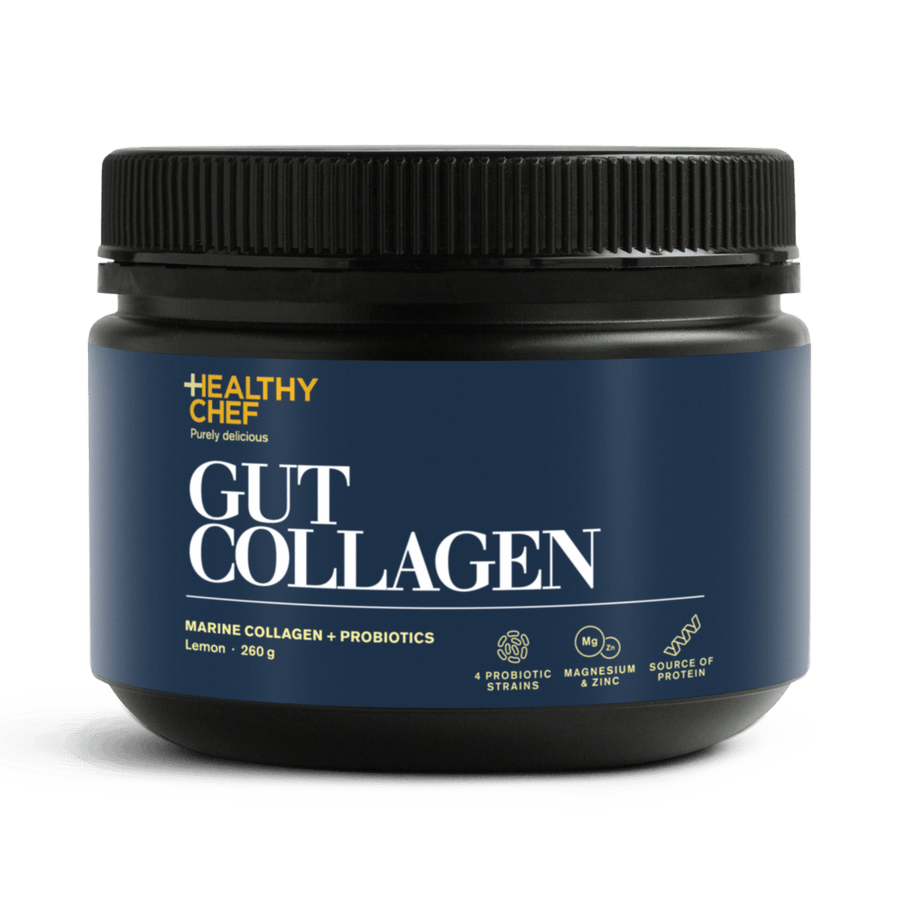
“GLP-1 support” usually means supporting your body's own GLP-1. The hormone that helps you feel full and keeps blood sugar steady. Through the way you eat and move. It can also refer to prescription GLP-1 medications, which are a separate, doctor-managed matter. This page focuses on the food and lifestyle side.
Healthy GLP-1 signalling is part of how your body manages hunger, fullness and blood sugar. Eating and moving in ways that support it tends to leave you more satisfied between meals, with steadier energy, without restriction or calorie-counting.
Protein and fibre are the two most consistently linked to a stronger GLP-1 response and lasting fullness. Think eggs, fish, legumes, dairy, vegetables and whole grains. Healthy fats and fermented foods help too, largely through their effect on gut health.
Build meals around protein and fibre, favour whole over highly processed foods, and support your gut with fermented foods and plenty of plants. Regular movement and good sleep play a supporting role.
Regular physical activity is linked to a healthier GLP-1 and blood-sugar response, and a mix of aerobic movement (like walking or cycling) and resistance training appears most helpful. Consistency matters more than any single workout.
No supplement replicates a prescription GLP-1 medication, despite what “natural Ozempic” marketing might suggest. What genuinely helps is whole-foods rich in protein and fibre.
There isn't one that matches a prescription medication. The closest thing in everyday life is a whole-food pattern rich in protein and fibre, which supports your body's own GLP-1 response.
Because no supplement works like a GLP-1 medication, the food-first approach on this page is a better place to start. If you're considering any supplement, check with your GP, pharmacist or an Accredited Practising Dietitian first.
Prioritise protein to help protect muscle, include fibre and fluids for digestion, and choose gentle, nutrient-dense meals on low-appetite days. Everyone's needs differ, so always follow the guidance of your GP, pharmacist or an Accredited Practising Dietitian.
From a nutrition standpoint, the common themes are: prioritise protein to help protect muscle, keep fluids and fibre up for healthy digestion, and choose smaller, nutrient-dense meals on low-appetite days. Your GP or dietitian can tailor this to you.